The Lakes That Give Everything
- Niccole McEwen

- May 5
- 3 min read
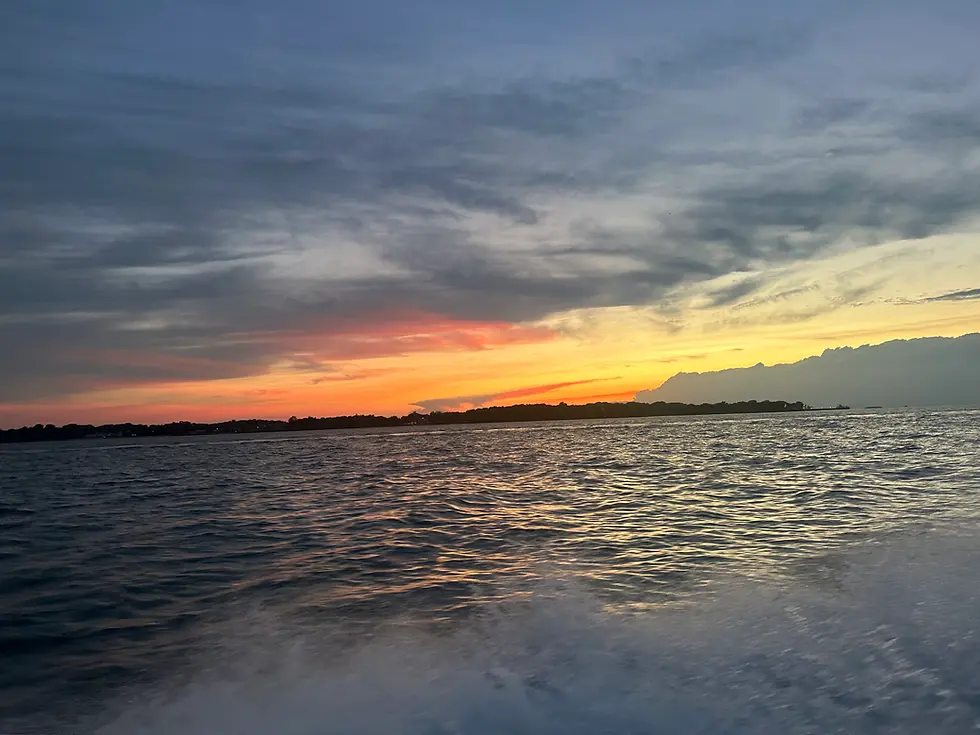
Here at Lake Erie Clothing Company, these waters aren't just a backdrop -- they're the reason we exist. Every shirt, every hoodie, every piece we make is a love letter to this shoreline. On Earth Day, we want to talk about why the Great Lakes matter to the entire planet, and what we can all do right here, right now, to make sure they're around for generations to come.
Why the Great Lakes matter to the whole earth
The Great Lakes -- Superior, Michigan, Huron, Erie, and Ontario -- form the largest system of fresh surface water on Earth. That's not a regional fact. That's a planetary one. In a world where fresh water is becoming one of the most precious resources we have, these five lakes represent something almost incomprehensible in scale.
Lake Erie, our lake, is the shallowest and warmest of the five. That makes it both the most biologically productive and the most vulnerable. It's home to the largest walleye fishery in the world, supports billions of dollars in commercial fishing, tourism, and recreation, and acts as a critical climate buffer for the entire Great Lakes region. The lake moderates temperatures, feeds clouds and snowfall, and influences weather patterns across the Midwest.
The wetlands and shorelines of the Great Lakes also serve as critical habitat for migratory birds -- including the warblers that pass through our area every spring. Healthy lakes mean healthy skies above them.
What we can do to help them thrive
Protecting the Great Lakes doesn't require a degree. It starts with small, consistent choices. Here's what actually makes a difference:
✓ Pick up litter near the shore, even if it isn't yours. One bag, one walk.
✓ Use phosphorus-free soaps, detergents, and lawn fertilizers. Excess phosphorus feeds algae blooms that choke out oxygen and kill fish.
✓ Dispose of medications properly. Don't flush pills or pour liquids down the drain. Many pharmacies and hospitals have take-back programs.
✓ Plant native species in your yard. They filter runoff naturally, reduce erosion, provide habitat, and require fewer pesticides.
✓ Reduce single-use plastic. Plastic breaks down into microplastics now found throughout the Great Lakes ecosystem, including in fish.
✓ Maintain your boat responsibly. Clean your hull and equipment before moving between waterways to prevent invasive species from hitching a ride.
✓ Support local watershed organizations. Lake Erie Foundation, Alliance for the Great Lakes, and Surfrider Foundation Great Lakes do incredible work.
✓ Conserve water at home. Less water used means less strain on municipal systems and less runoff contamination.
What we should stop doing
Some habits are more harmful than people realize. These are worth breaking:
✗ Don't release bait, plants, or animals into the water. Invasive species like Asian carp, zebra mussels, and purple loosestrife have caused billions in damage to the Great Lakes ecosystem.
✗ Don't use fertilizers or pesticides right before rain. Heavy rain washes chemicals directly into storm drains with zero filtration.
✗ Don't pour grease, oil, or chemicals down the drain. They accumulate in sediment and build up in the food chain.
✗ Don't leave trash on the beach or at the launch. Wind and rain will move it to the water.
✗ Don't ignore harmful algal bloom warnings. When health officials post HAB alerts, keep pets and kids out of the water.
✗ Don't wash your car in the driveway. Soap, grime, and tire residue run straight into storm drains without treatment.

